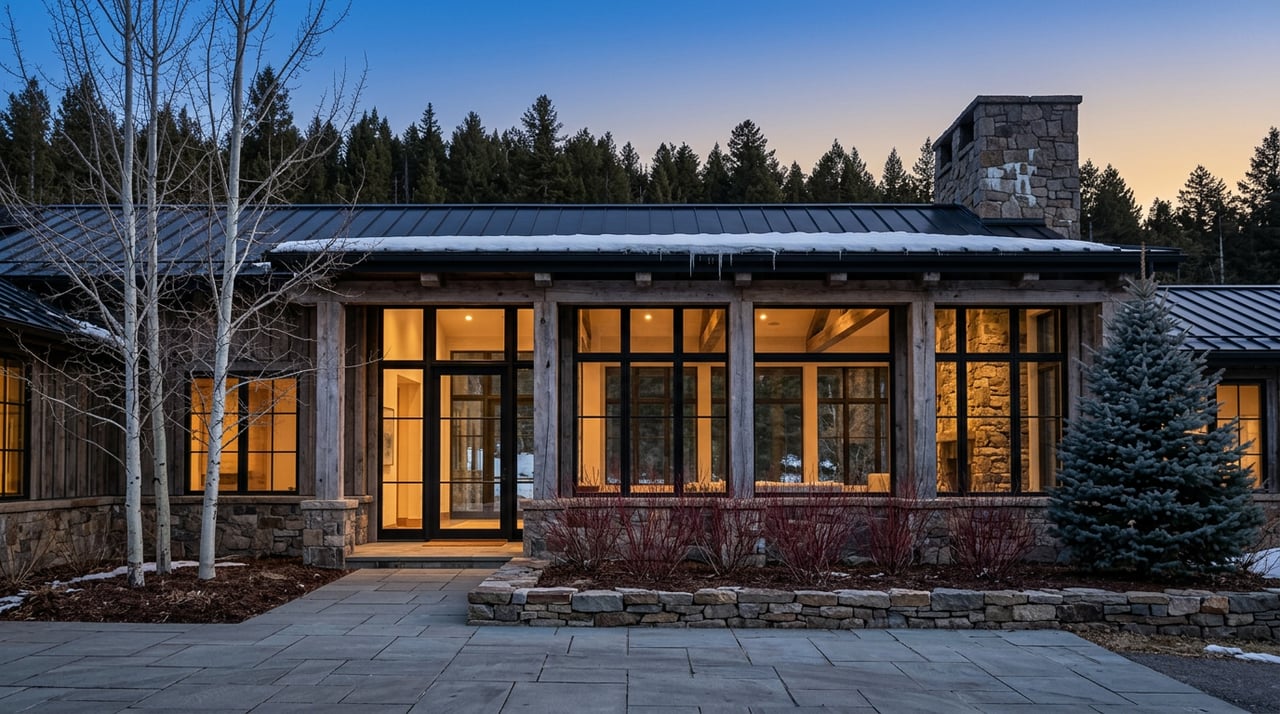
"Our team lives here, works here, and dines here," said Kat Barrett, vice president of commercial services for Extell, the developer behind Canopy Deer Valley, when the hotel's design and amenities were unveiled to the Park Record in August. It's the kind of line that gets said about a lot of new hotels near a lot of new ski villages. Most of the time it's marketing gloss over a building that will spend its first winter catering almost entirely to guests who fly in for a week and leave.
Canopy Deer Valley's opening calendar says something different. The 180-room hotel, Hilton's first Canopy property in Utah and the brand's first ever inside a ski resort, opened its doors on September 10 with all four of its restaurants running at once. Deer Valley Resort, the mountain the hotel sits at the base of, announced this week that it won't open for the season until December 5, conditions permitting, according to a Park Record report. That leaves roughly three months where a full-service Italian trattoria, a wine and pizza lounge, a café, and a rooftop bar are open in East Village with no lift running, no snow on the ground, and no ski guest to serve. Somebody built four restaurants for a season that hasn't started yet. The only customer available to them right now is the person who already lives here.
The math nobody dressed up in the press release
Hotel restaurants at new ski developments are usually built around the calendar of the mountain, not the calendar of the neighborhood. They soft-launch quietly in the fall, run a scaled-back menu through the shoulder season, and wait for opening day to bring in the real crowd. Canopy's own plan, as described to the Park Record back in June, was for the opposite sequence: all four food and beverage outlets would open with the hotel, then increase hours as the busy season arrived. The hotel wasn't ramping up toward ski season. It launched at capacity for a public that, for now, is entirely local.
That's worth sitting with if you already live in East Village. The three months between a September opening and a December 5 start to ski operations are the exact months when a new restaurant either becomes part of your rotation or gets skipped until it's crowded with visitors. Right now, before Hail Peak Express starts running and before the resort's new terrain draws its first lift line, these four rooms belong to whoever walks in.
What's actually on the four menus
The hotel's food and beverage program isn't one restaurant with a bar attached. It's four distinct spaces, each doing something different:
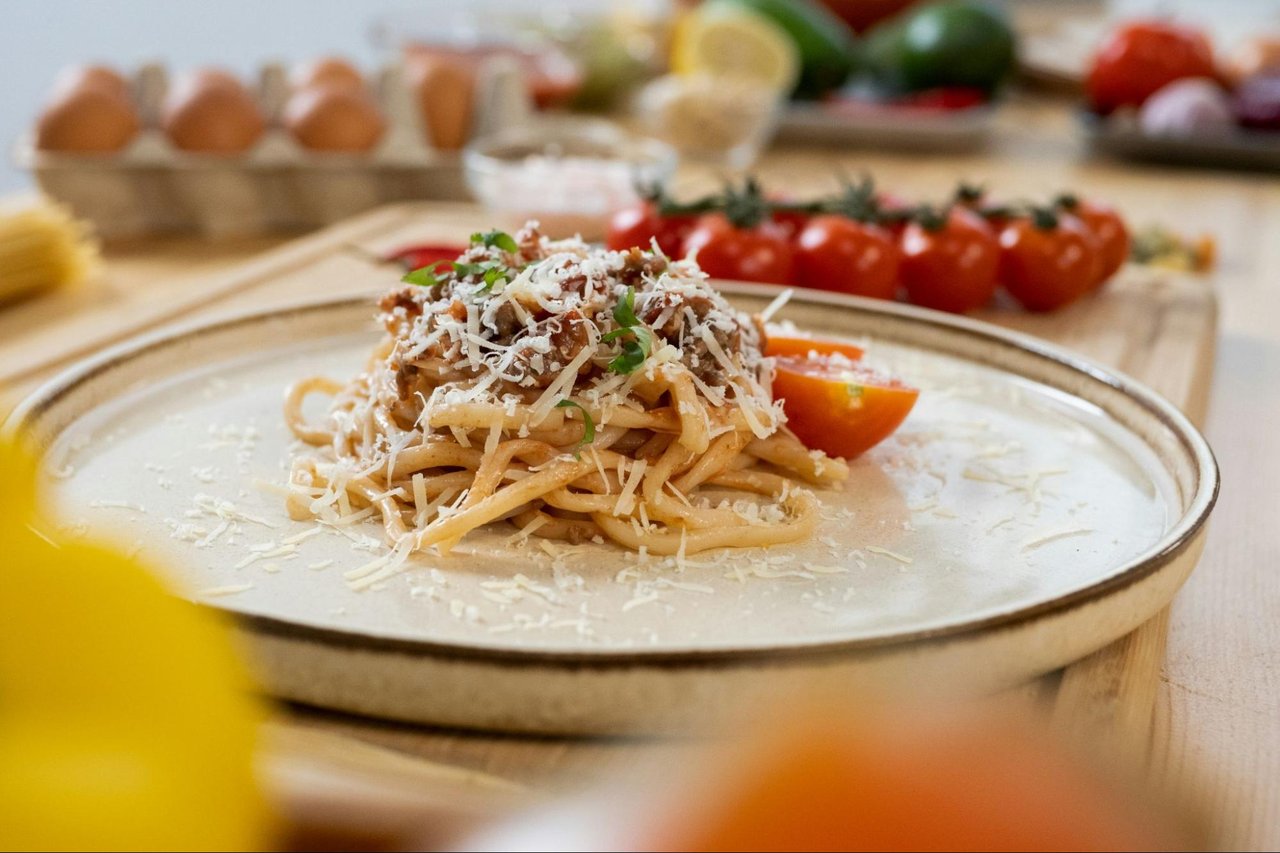
- Tavolona is the all-day Italian trattoria, serving breakfast, lunch, and dinner. Executive Chef Scott Rackliff describes the food as comfort cooking drawn from homes across Italy rather than one region, built around house-made pastas, handcrafted pizzas from an outdoor oven, fresh bolognese, branzino, and pork sourced from Niman Ranch.
- Fornetto, next door to Tavolona, is the more social half of the pairing. Antipasti, cicchetti, pizza, local draft beer, and cocktails, styled after an Italian clubhouse rather than a formal dining room.
- Mountain Provisions covers mornings and quick stops, pouring coffee from Park City Coffee Roasters alongside grab-and-go food and a small curated shop of local goods.
- Alpine Attic, on the roof, is the destination for a drink with a view. It leans on Utah spirits from High West Distillery and Alpine Distilling, with seasonal programming planned for the space.
Two dishes stand out on Rackliff's menu for exactly the reason Michelin star restaurants rarely bother with them: a duck confit sandwich, built from a pressed and grilled duck leg with crisp skin, arugula, sweet and pickled cherries, and mustard seed on a pretzel bun, and a Wagyu beef Salisbury steak with charred carrots and a mushroom demi-glace. Neither dish is trying to impress a critic. Both are trying to be the thing you order twice.
"One of my favorite things is comfort food, just try and give it that Michelin-star twist," Rackliff told the Park Record. "To me Michelin isn't about actually getting the damn star. I don't really care. But if you embody those criteria into what you're doing, you're going to have a great restaurant."
Rackliff's résumé includes Eleven Madison Park and Daniel Boulud's restaurant group in New York, along with stints at luxury properties in California before he moved to Park City from Huntington Beach. He grew up in New Hampshire, which may explain why he called the move "coming home, coming back to nature, and in the mountains."
The kitchen sources like a neighbor, not a chain
A restaurant attached to a national hotel brand could source everything through a central supply contract and nobody outside the kitchen would notice. Canopy's kitchen didn't take that route. Produce comes from PaMaw's Organic Farm in Daniel, a town roughly 20 minutes from the hotel. Cheese comes from Heber Valley Artisan Cheese and Beehive Cheese. Meat comes from Wasatch Meats and Ballard Farms. None of these are names built for a press release. They're the kind of suppliers a chef only ends up working with if the plan from day one was to feed the people who live nearby, not just the guests checking in for a long weekend.
Built to be walked into, not checked into
The rest of the hotel's design leans the same direction. A recreation concierge oversees bike rentals in summer and boot warmers and ski valet service in winter, and the team has built partnerships with local outfitters for fly fishing instruction and glass blowing workshops rather than keeping every activity in-house. Complimentary shuttles run to both East Village and the Jordanelle Recreation Area. None of that is required for a hotel restaurant to function. It's the kind of infrastructure a property builds when it expects its regulars to live within a ten minute drive.
Andrew Carey, the hotel's general manager, framed the opening in Hilton's own release as an attempt to connect visitors with the character of the destination through the rooms, the food, and the hotel's partnerships with local makers and businesses. Barrett put it more directly to the Park Record back in June, when she said the property would serve locals as well as visitors from the moment it opened. Every staff member involved in getting the hotel open was given a Canopy branded hard hat to mark it. Barrett called that kind of ground-floor involvement rare in hospitality.
The third hotel, not the last
Canopy is the third hotel to open in East Village, following the Grand Hyatt Deer Valley and Pioche Village. Extell, which developed all three, also has a Four Seasons and a Waldorf Astoria in the pipeline for the same base area. The village's permanent lodges, Park Peak and the East Village Lodge, are still under construction and won't open until the 2027-28 season, which means the neighborhood's food and beverage scene is still assembling itself one property at a time rather than opening all at once behind a ribbon cutting.
What that means in practice is that the count of places to eat within walking distance keeps climbing before the count of ski runs does. Hail Peak Express, the lift that will open 200 new acres and seven new runs, goes into service for the December 5 start of the season. The restaurants got here first. For anyone already living in East Village, that's the useful order of operations: the neighborhood's daily texture, the coffee counter, the pizza lounge, the rooftop with a view of Jordanelle, is filling in ahead of the parts built for out of town skiers, not behind them.
If you're weighing what East Village actually offers day to day, beyond the terrain maps and lift counts, Tara Vaught tracks these changes as they land, not after they've been written up everywhere else. Reach out anytime you want a local read on what's actually opening around you.