By Tara Vaught
Park City is one of those places that gets under your skin quickly — the mountain views, the energy of Main Street, the trails that start practically at your front door, and the kind of community that forms when people choose somewhere intentionally rather than simply end up there. But there's a meaningful gap between loving Park City as a visitor and understanding what it's like to actually live here. I've spent years in this market helping buyers navigate that transition, and the ones who settle in most happily are the ones who arrived with honest expectations. Here's what I'd tell you before you make the move.
Key Takeaways
- Park City's seasons are dramatic and deeply define the rhythm of daily life here
- Neighborhood choice matters enormously — the areas within Park City are genuinely distinct from one another
- Daily life at altitude comes with realities that newcomers consistently underestimate
The Seasons Define Everything
Park City doesn't have subtle seasonal shifts — it has full-scale transformations. Winter brings world-class skiing at Park City Mountain Resort and Deer Valley, the energy of Sundance Film Festival in January, and the kind of snowy mountain town atmosphere that draws people here in the first place. The flip side is real: ski season also brings traffic on SR-224, full restaurants, and the logistical reality of a town that swells with visitors. Summer is extraordinary — the hiking and mountain biking trail systems are among the best in the country, the wildflower meadows above town are stunning, and the pace slows into something genuinely relaxed. Spring and fall are shoulder seasons that locals quietly love for their quiet and their light.
What Each Season Actually Delivers
- Winter: world-class ski access, Sundance energy, full town activity — and the traffic and crowds that come with it
- Spring: quiet, uncrowded, and ideal for exploring the area without competition — some trail access limited by mud season
- Summer: hiking, mountain biking, the Park Silly Sunday Market, concerts, and warm evenings on Main Street
- Fall: aspens turning gold across the Wasatch Back, crisp air, reduced crowds, and some of the best trail conditions of the year
Understanding Park City's Neighborhoods
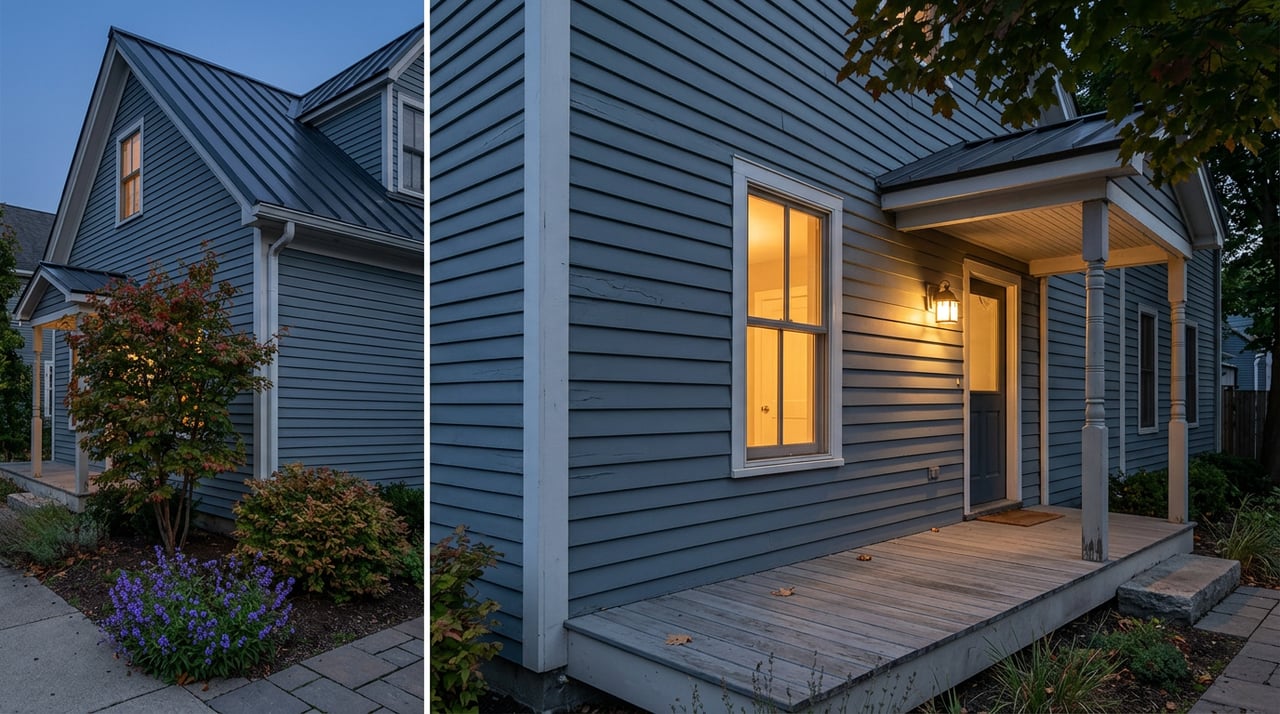
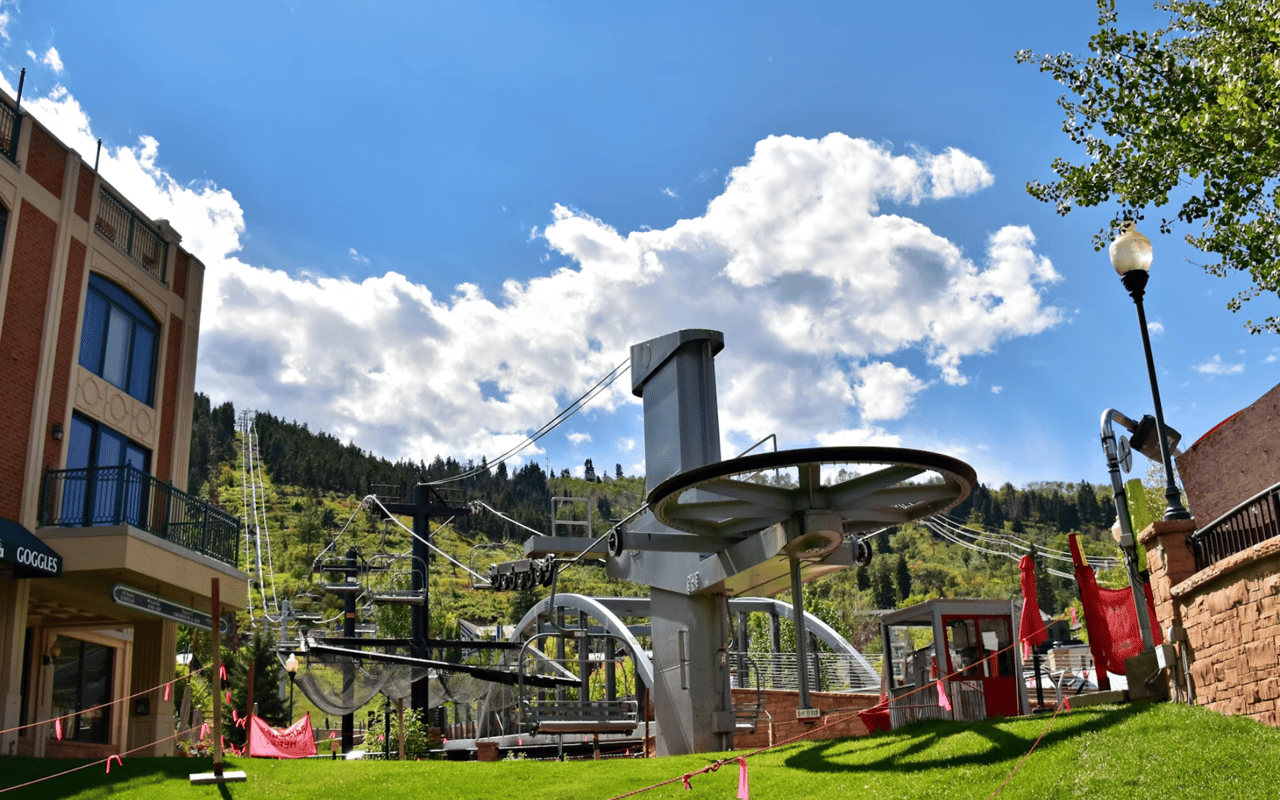
Moving to Park City, Utah, means choosing not just a home but a specific experience within a city that varies considerably from one area to the next. Old Town — the historic core around Main Street — puts you in the center of everything: walkable to restaurants, galleries, and the Town Lift, with a mix of Victorian-era miners' cottages and newer luxury builds. Deer Valley and the surrounding area skew toward ski-in/ski-out luxury and resort-adjacent living. Prospector offers more accessible price points close to the Rail Trail. Communities like Promontory, Glenwild, and Tuhaye offer private club living with golf, amenities, and a more removed mountain setting. Each area suits a different kind of resident.
Neighborhood Profiles at a Glance
- Old Town: historic character, walkability, Town Lift access, highest density in the city
- Deer Valley area: ski-in/ski-out access, luxury properties, resort proximity, quiet residential feel
- Canyons/Park City Mountain area: resort-adjacent, newer construction, strong short-term rental potential
- Kimball Junction: more suburban feel, closest to I-80 and SLC access, newer commercial development
- Promontory and Glenwild: private club communities with golf and curated amenities, removed from town traffic
- Jeremy Ranch and Pinebrook: more accessible price points with quick I-80 access for commuters
The Realities of Daily Life at Altitude
Park City sits at approximately 7,000 feet above sea level — and that number affects more of daily life than most people anticipate. The first weeks at altitude come with genuine physical adjustment: reduced stamina, disrupted sleep, and dehydration that sneaks up on you. Most people acclimate within a few weeks, but the dry, high-altitude climate requires consistent attention to hydration and sun protection year-round. The UV index at elevation is significantly higher than at sea level, and the low humidity means skin, sinuses, and even wood furniture require more care than in lower-elevation climates.
Practical Realities to Prepare For
- Altitude adjustment: plan for 2–4 weeks of reduced energy and sleep disruption when you first arrive
- Sun exposure: UV intensity at 7,000 feet is substantially higher — sunscreen and eye protection are year-round essentials
- Dry climate: humidity levels are low enough to require humidifiers in most homes during winter months
- Vehicle preparation: winter tires or all-wheel drive are not optional — they're standard operating procedure for Park City residents
- Grocery and services: Park City has solid everyday options, but Salt Lake City (about 35–45 minutes via I-80) handles major shopping and medical needs
Frequently Asked Questions
Is Park City a good place to live year-round, or is it primarily a seasonal community?
It's genuinely both, depending on the neighborhood and the person. Old Town and the surrounding core areas have a strong year-round community with locals who are deeply invested in the city's character. Some resort-adjacent properties lean heavily seasonal. I find that buyers who are moving here full-time do best when they connect with that year-round community early — it makes a real difference in how quickly a place starts to feel like home.
What's the commute from Park City to Salt Lake City like?
On a clear day with normal traffic, Salt Lake City International Airport and the SLC business corridor are about 35 to 45 minutes via I-80 through Parley's Canyon. During ski season, holiday weekends, and after major snowstorms, that commute can extend significantly. I always recommend that buyers who plan to commute regularly experience the drive in both directions, at different times, before they commit to a specific neighborhood's distance from the highway.
What should I know about the Park City real estate market before I start searching seriously?
Understand your intended use first — primary residence, seasonal home, or investment — because that shapes everything from which neighborhoods make sense to what financing and HOA structures are appropriate. Get pre-approved before touring, because the properties that generate the most interest here rarely wait for buyers to get organized. And work with someone who knows the specific submarkets deeply, because the differences between a Deer Valley condo, an Old Town home, and a Promontory estate are significant in ways that listing photos don't capture.
Connect With Tara Vaught
Park City is a place people choose on purpose — and finding the right home here starts with understanding both the market and the life you're stepping into. I'd love to help you navigate both with clarity and confidence.
Reach out to me at Tara Vaught to start the conversation. Whether you're in the early stages of exploring or ready to make your move, I'm here to help you find your place in Park City.
Reach out to me at Tara Vaught to start the conversation. Whether you're in the early stages of exploring or ready to make your move, I'm here to help you find your place in Park City.