By Tara Vaught
A home on Norfolk Avenue may appear to date back to the 1880s silver boom, yet many were built within the last decade. Park City's historic design guidelines require new construction in Old Town to match that same profile, which makes the two difficult to distinguish without local knowledge. Understanding the underlying architectural styles is the first step I walk buyers through before they evaluate any listing.
Key Takeaways
- Learn how to tell an original mining-era cottage from a historic-style replica in Old Town.
- Discover what defines Mountain Contemporary design in neighborhoods like Empire Pass and Deer Valley.
- Find out how Old Town's historic district guidelines shape new construction today.
- Explore the estate-style architecture found in golf communities like Promontory.
Mining-Era Victorian Cottages in Old Town
Old Town's earliest homes were built in the 1880s and 1890s, funded by silver mining income and constructed quickly on compact lots. Their footprints and rooflines continue to define the neighborhood today.
What to Look For in an Original or Historic-Style Cottage
- Steep gabled rooflines built to shed heavy mountain snow
- Narrow lot-width footprints that follow Old Town's original mining-era street grid
- Wood siding paired with brick facades on the more substantial homes near Main Street
- Front porches and paired double-hung windows original to the 1880s and 1890s
Old Town's historic district guidelines preserve this profile, so a home built last year on Woodside Avenue can closely resemble one built 140 years ago. This is why style, not age alone, should guide how you evaluate a listing.
Mountain Contemporary Design in Deer Valley and Empire Pass
Head up toward Empire Pass or Upper Deer Valley and the architecture shifts completely. Mountain Contemporary is the dominant look in this part of the market, and it reads very differently from a Main Street cottage.
The Elements That Define Mountain Contemporary Homes
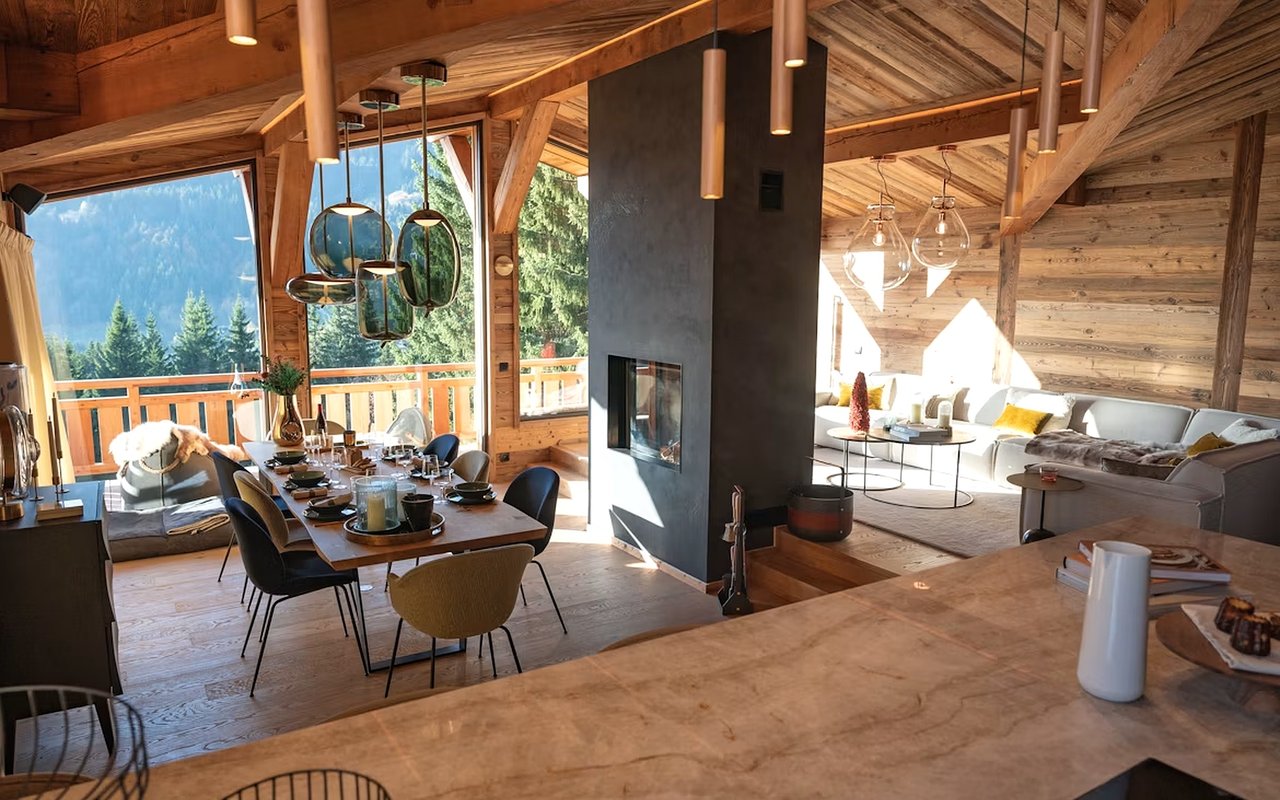
- Large glass walls oriented toward ski runs or valley views
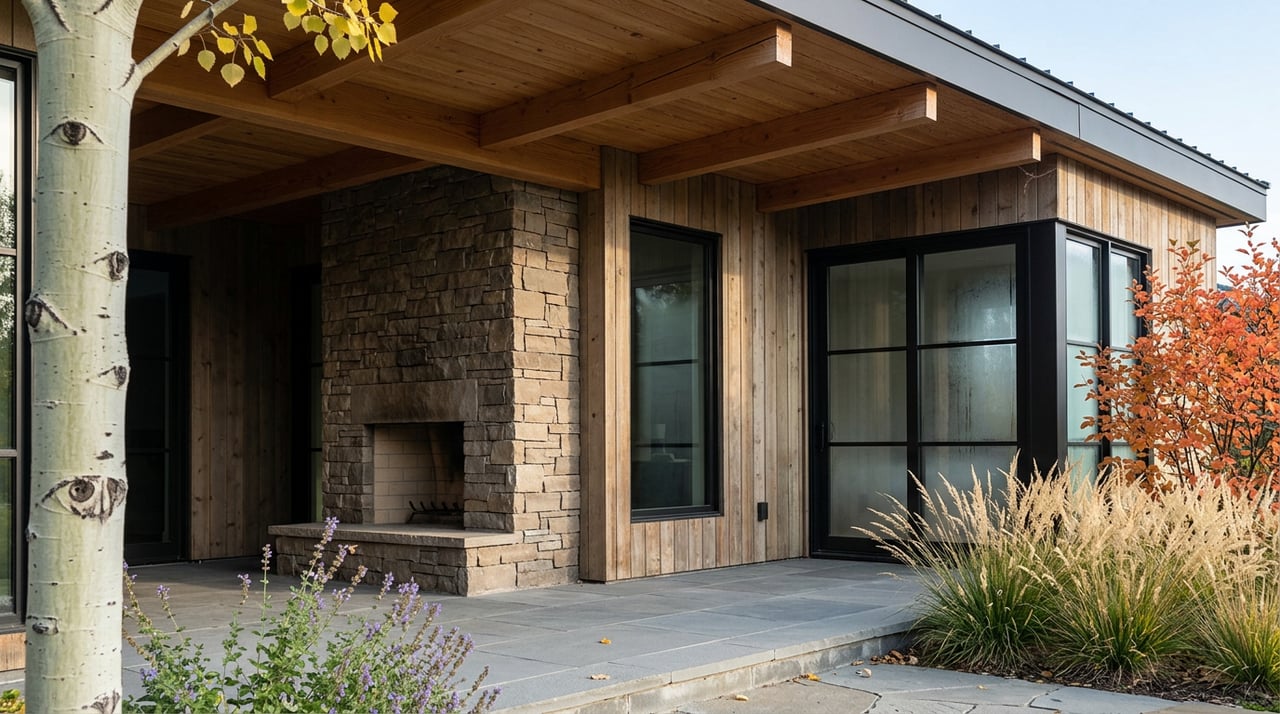
- Stone and heavy timber used alongside steel and concrete
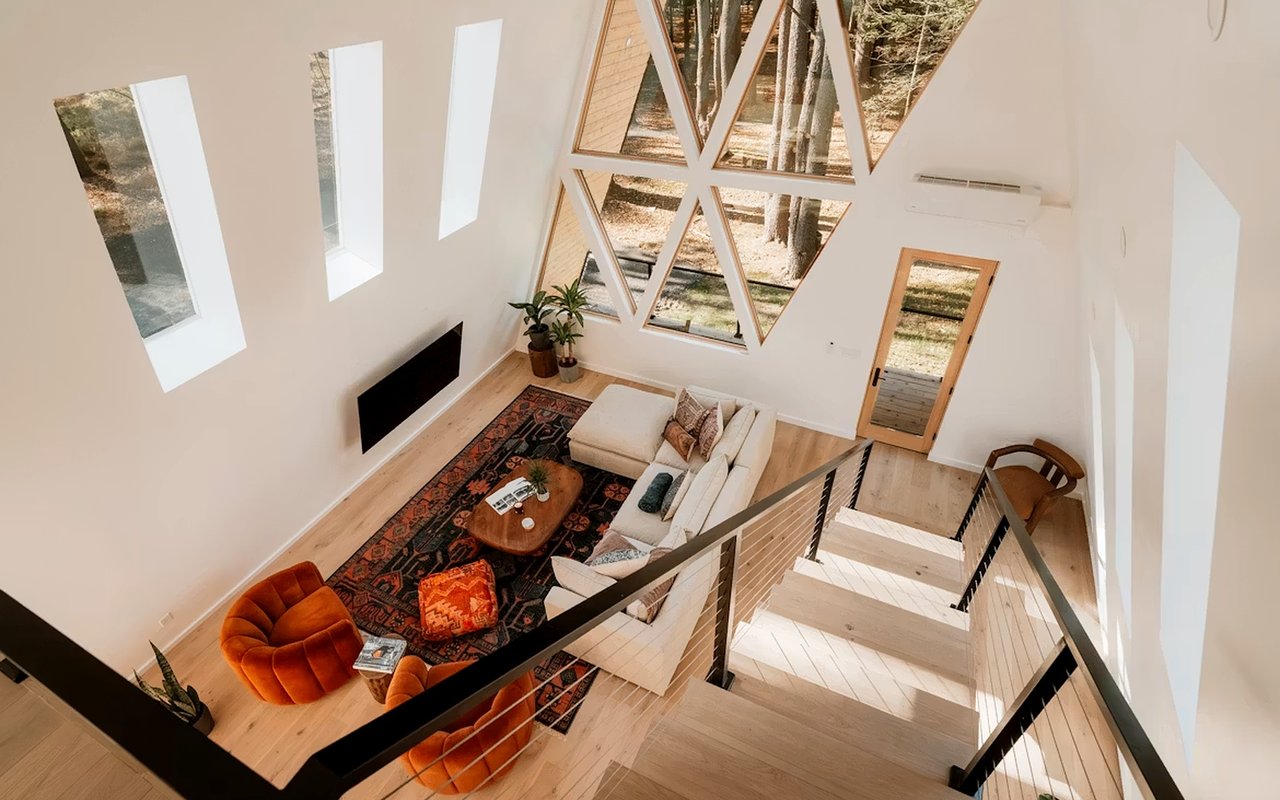
- Open floor plans that remove the room-by-room layout of older mountain homes
- Rooflines with cleaner lines than the ornamentation found in Old Town
This style shows up throughout Empire Pass, where ski-in, ski-out buyers want a home that still reads as mountain architecture without feeling dated. Deer Crest carries a similar look, though lot sizes and privacy tend to set it apart from Empire Pass.
Estate-Style Architecture in Promontory and Other Golf Communities
Promontory sits apart from both Old Town and the ski resorts, and its architecture reflects that distance. Homes here are built for large lots rather than dense hillside footprints, so the style has more room to stretch.
What Sets Golf-Community Estates Apart
- Larger square footage spread across single-level or low-profile floor plans
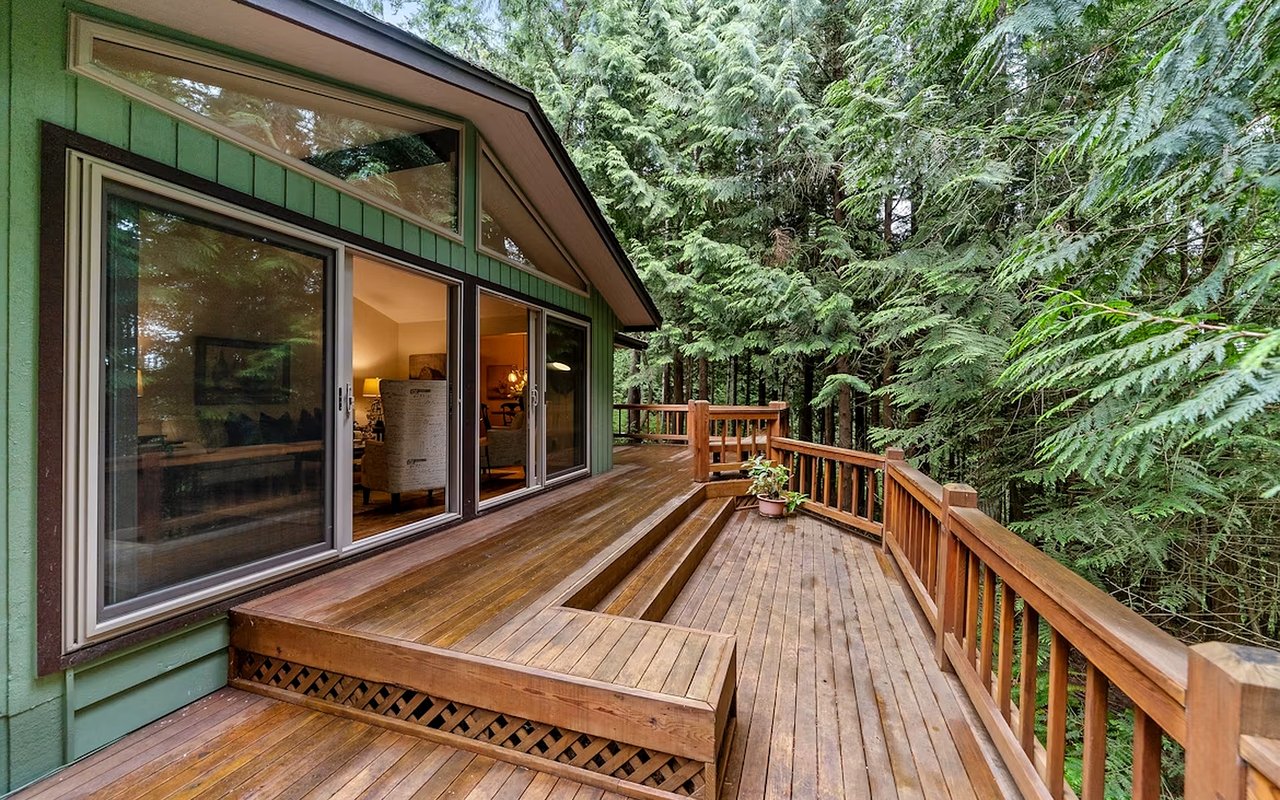
- Covered outdoor living spaces that face golf course or mountain views
- A mix of stone, wood, and stucco exteriors rather than one dominant material
- Detached guest houses or casitas on larger homesites
Buyers drawn to Promontory are often comparing it directly to Empire Pass or Deer Crest, and the architecture is one of the clearest ways to tell the communities apart. A golf-community estate and a ski-in chalet solve for very different daily routines.
Frequently Asked Questions
What's the difference between an original Old Town cottage and a historic-style new build?
The original cottages date to the 1880s and 1890s and often carry uneven floors, low ceilings, and hand-built details that are hard to replicate. New construction built under Old Town's design guidelines matches the exterior profile but is built to modern standards inside.
Is Mountain Contemporary the only style I'll find in Empire Pass?
It's the dominant style, but not the only one. Some homesites there also support more traditional timber-frame design, so the finished product depends on the builder and the buyer's preferences.
Do Promontory's architectural rules differ from Old Town's?
Yes, significantly. Promontory operates under its own community design guidelines built around larger lots and estate-style homes, while Old Town's rules are tied to preserving its mining-era streetscape. I make sure buyers understand which set of rules applies before they start planning any changes.
Contact Tara Vaught Today
Every neighborhood in Park City tells its architectural story a little differently, and matching a buyer to the right one takes more than a list of square footage and finishes. Years of walking these streets, from Old Town's protected cottages to Promontory's custom estates, have shown me which details matter most when guiding a client to their dream property.
If you're trying to figure out which Park City architectural style fits how you want to live, reach out to me, Tara Vaught, and let's look at the available homes for sale.
If you're trying to figure out which Park City architectural style fits how you want to live, reach out to me, Tara Vaught, and let's look at the available homes for sale.